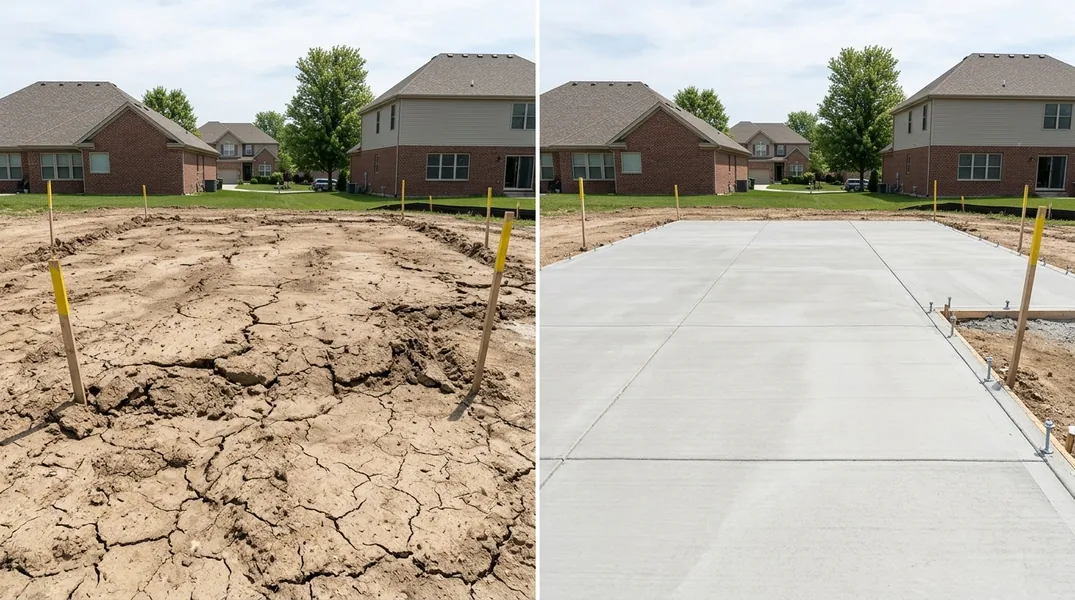
Understanding New Construction Concrete Slabs in Aurora, Illinois
Purchasing a new construction home in Aurora is an exciting milestone, but it comes with unique responsibilities that differ significantly from buying an existing home. One of the most critical elements you need to understand is the foundation slab. Unlike older homes where you might inherit decades of history, a new construction concrete slab is built to current building codes and standards, yet it still requires careful inspection and documentation before you close on your property.
The foundation slab is literally the base upon which your entire home rests. It supports the weight of walls, floors, roof, and everything inside. In the Fox Valley region, builders typically pour concrete slabs that meet Illinois Building Code requirements, but this doesn't mean all slabs are created equal. Variations in soil preparation, concrete mix design, curing time, and weather conditions during construction can all affect long-term performance. As a homebuyer, understanding these factors and knowing what to look for will protect your investment and help you avoid costly problems down the road.
What to Inspect Before Closing on Your New Foundation
Your builder inspection should occur several weeks before your closing date, ideally when the slab is fully cured and any construction work is complete. Walk the entire foundation perimeter and interior, looking for visible cracks, uneven surfaces, and water pooling or dampness. Small hairline cracks (less than one-eighth inch wide) are common in concrete and typically not a structural concern, but wider cracks, step cracks, or cracks that follow a pattern may indicate deeper issues. Pay special attention to areas around windows, doors, and where the slab meets the foundation stem wall, as these transition zones are more prone to cracking.
Check the slab for proper drainage. The concrete should slope gently away from the house to direct water toward the perimeter and away from the foundation. If you notice puddles or areas where water collects, discuss this with your builder before closing. Also inspect for signs of moisture intrusion, such as efflorescence (white, powdery deposits on the concrete surface), dark stains, or musty odors in basement or crawlspace areas. These signs suggest water is moving through the concrete, which can lead to mold, structural damage, and costly remediation. Document everything with photographs and a written list, and share your findings with your real estate agent and builder representative.
New Home Foundation Warranty: What Aurora Builders Must Provide
Every new home built in Illinois should come with a new home foundation warranty that protects you against structural defects. The specific terms vary by builder and warranty provider, but most standard warranties cover the foundation slab for a defined period, typically one to ten years depending on the defect type. Structural defects that affect the safety or usability of the home are usually covered longer than cosmetic issues like minor cracking. Before closing, request a copy of your warranty documents and read them carefully. Understand what is and isn't covered, the claims process, any deductibles, and the timeline for reporting issues.
Many builders use third-party warranty providers such as NHIA (National Home Improvement Association) or similar entities. These organizations manage claims and coordinate repairs. Register your warranty immediately after closing, and keep all documentation in a safe place. If you notice a potential foundation problem within the warranty period, report it promptly to your builder or warranty provider in writing. Delays in reporting can sometimes affect your eligibility for coverage. Additionally, understand that cosmetic cracks or minor settling are typically excluded from warranty protection, as these are normal in new construction. However, if a crack grows significantly or if structural movement becomes evident, your warranty should provide recourse.
Builder Foundation Inspection: Your Pre-Closing Checklist
Conducting a thorough builder foundation inspection is one of the most important steps you can take as a new homebuyer in Aurora. Ideally, hire a professional home inspector who specializes in new construction to evaluate the slab. They can identify issues that untrained eyes might miss and provide a detailed report that serves as documentation if problems arise later. During the inspection, the professional will check for proper concrete strength, adequate reinforcement, correct slope for drainage, and absence of major cracks or voids. They'll also verify that the slab meets local building codes and that proper waterproofing measures were installed beneath the concrete.
Request that your builder provide documentation of the concrete pour, including the date, concrete supplier, mix design, and any testing that was performed. Many builders conduct slump tests or take core samples to verify concrete strength. Ask for copies of these reports. Also inquire about soil preparation and any special conditions encountered during construction. If the slab was poured in extreme weather (very hot, cold, or wet conditions), this information is relevant to understanding potential risks. Walk through the home with your builder representative and ask questions about any visible repairs, patches, or areas that look different from the surrounding concrete. A transparent builder should be happy to explain their work and provide assurance that everything meets standards.
Common Concrete Slab Issues in New Fox Valley Homes
While most new construction concrete slabs perform well, certain issues appear more frequently in the Fox Valley region due to soil conditions and climate factors. Differential settling occurs when different portions of the slab settle at different rates, typically because of inconsistent soil preparation or clay soils that expand and contract with moisture changes. This can cause visible cracks or, in severe cases, uneven floors. Heave is the opposite problem, where the slab actually rises due to soil expansion, often caused by clay soils freezing and thawing or tree roots pushing upward. Both settling and heave can damage structural integrity and should be addressed by your builder if they occur within the warranty period.
Concrete curling is another common issue, where the edges of the slab curl upward or downward due to moisture differences between the top and bottom surfaces. This typically happens when the slab is exposed to rapid temperature or humidity changes before it fully cures. While minor curling is cosmetic, significant curling can create trip hazards and may indicate improper curing procedures. Spalling, where the concrete surface flakes or deteriorates, can result from freeze-thaw cycles, deicing salt exposure, or poor concrete quality. If you notice spalling after closing, it may be covered under your warranty if it occurs early enough. Efflorescence, the white powdery deposits mentioned earlier, is usually harmless but indicates moisture movement through the concrete, which warrants investigation.
Taking Action: Next Steps for New Aurora Homebuyers
Once you've completed your inspection and closed on your new home, establish a monitoring routine for your foundation. Check the slab periodically, especially after heavy rains or seasonal changes, and keep a record of any changes you notice. Minor cracks may appear during the first year as the concrete continues to cure and the home settles. This is normal and typically not a cause for concern. However, if cracks widen, new cracks appear frequently, or you notice structural movement, contact your builder or warranty provider immediately. Taking photographs over time helps document whether issues are stable or progressing.
If you need professional assessment or if you're planning future concrete work around your new home, such as Concrete Driveways or Concrete Patios, consult with experienced local contractors who understand Fox Valley soil and climate conditions. Aurora Concrete specializes in working with homeowners throughout the region and can provide expert advice on protecting your foundation and adding quality concrete features to your property. If you have questions about your foundation or need guidance on concrete work, contact us at (331) 336-0875 for a free estimate and professional consultation. Our team has extensive experience with new construction homes and can help ensure your investment is protected for years to come.
Looking for a professional concrete contractor in Aurora? Aurora Concrete responds fast for all your concrete needs.
Get a Free QuoteOur services: Concrete Driveways · Concrete Patios · Stamped & Decorative Concrete